
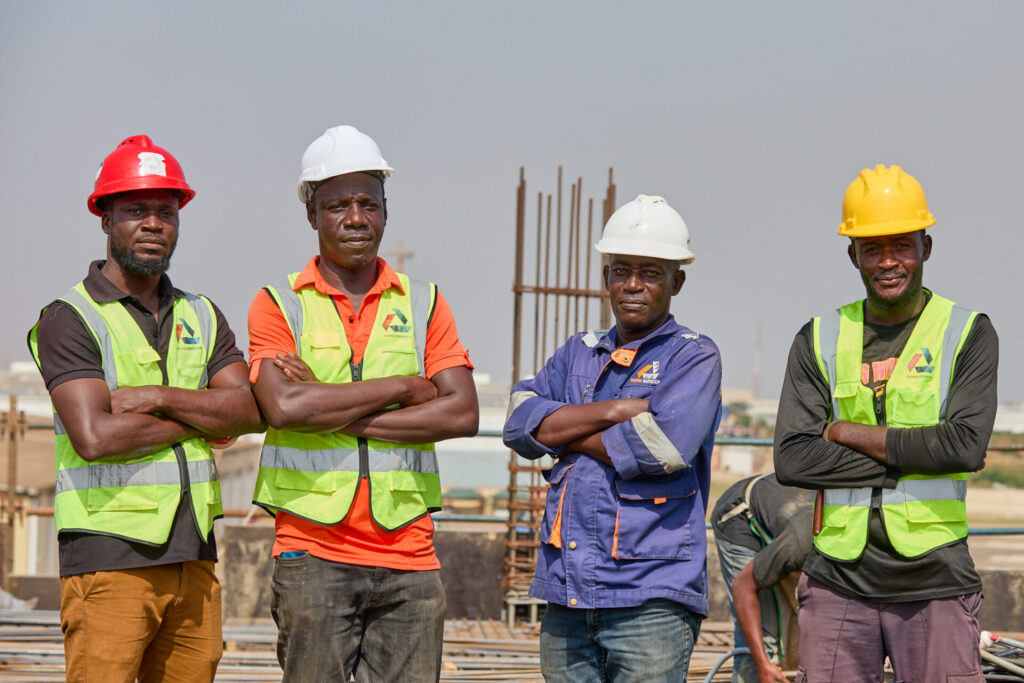
Ghana’s infrastructure landscape is evolving rapidly. From energy facilities and healthcare institutions to commercial high-rises and water treatment plants, the demand for structured, technically sound delivery has never been higher. In this environment, choosing the right engineering company in Ghana is not simply a procurement decision; it is a strategic investment in long-term performance and reliability.
The days when construction companies operated as isolated contractors are gone. Today’s projects require integrated engineering thinking, strict governance frameworks, and sustainability-driven execution. Clients are no longer just looking for builders, they are looking for structured EPC partners capable of managing complexity from concept through commissioning.
The Shift from Basic Construction to Integrated Engineering
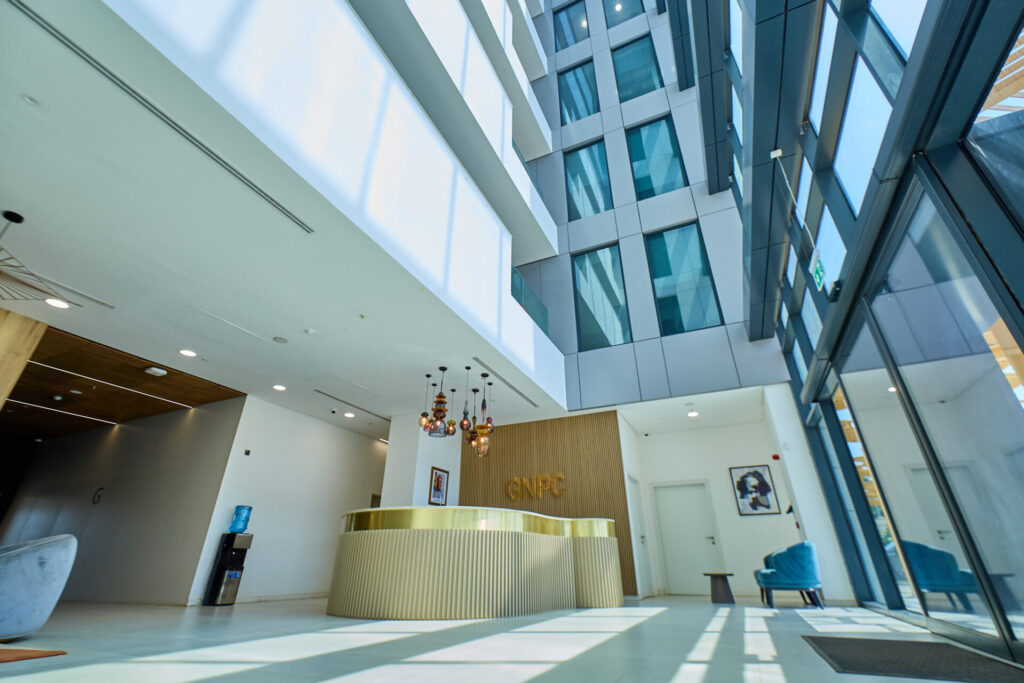
Modern infrastructure in Ghana increasingly demands multidisciplinary coordination. Mechanical, electrical, structural, and ICT systems must work seamlessly together. This is where a full-scope engineering and construction company in Ghana distinguishes itself.
An integrated EPC model reduces fragmentation by aligning:
- Design development
- Procurement strategy
- Construction execution
- Commissioning and handover
This approach enhances accountability, reduces risk exposure, and improves schedule predictability — particularly for technically complex projects such as energy facilities, LEED-certified buildings, and national control centres.
What Defines a Leading Engineering Company in Ghana?
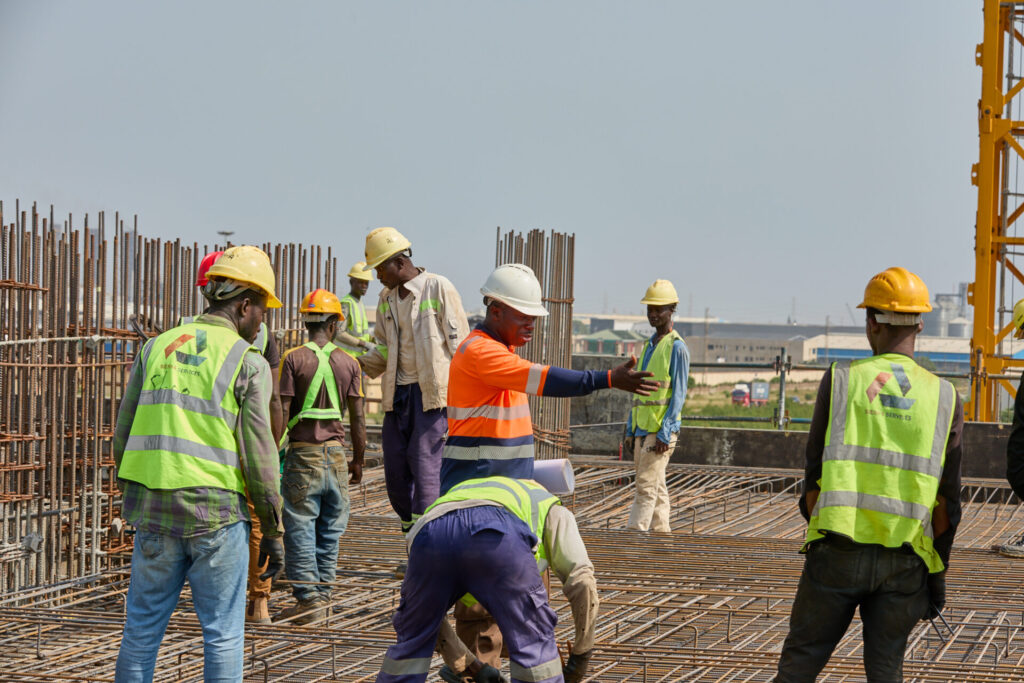
Not all engineering firms operate at the same technical depth. A tier-one firm typically demonstrates:
1. Proven Delivery of Complex Infrastructure
Large-scale public and private projects require disciplined planning, structured cost controls, and experienced site management teams.
2. Strong Governance and Compliance Systems
ISO-aligned frameworks ensure that quality, safety, and environmental standards are embedded throughout execution — not treated as afterthoughts.
3. Sustainability Integration
Forward-thinking engineering companies now incorporate green building standards, energy-efficient mechanical systems, and environmentally responsible construction practices.
4. Cost & Schedule Certainty
Infrastructure investment is capital-intensive. Leading firms apply rigorous project management methodologies to safeguard budgets and timelines.
Why This Matters for Ghana’s Future
As Ghana expands its transportation networks, healthcare infrastructure, energy systems, and corporate developments, engineering precision becomes foundational to economic growth. Poorly managed construction projects create long-term operational inefficiencies, structural risks, and cost overruns.
By contrast, a structured engineering company in Ghana delivers infrastructure designed for durability, performance, and lifecycle sustainability.
Beyond Construction: Building Long-Term Value
The strongest engineering partners do more than construct buildings, they create systems that function efficiently for decades. That includes:
- Coordinated MEP systems
- Advanced monitoring integration
- Energy optimisation
- Sustainable material selection
- Structured commissioning processes
Infrastructure built with long-term operational thinking contributes to national productivity, environmental responsibility, and investor confidence.
Conclusion
Selecting an engineering company in Ghana requires evaluating technical depth, integration capability, sustainability commitment, and proven delivery systems. As infrastructure complexity increases, so too does the need for disciplined, integrated engineering leadership.
In today’s market, excellence is defined not just by what is built, but by how it is engineered, governed, and sustained over time.
Explore Our Engineering & Construction Portfolio
From large-scale infrastructure developments to complex institutional and commercial builds, our team delivers integrated engineering solutions designed for long-term performance. Explore our project portfolio to see how structured EPC delivery is shaping Ghana’s built environment.