
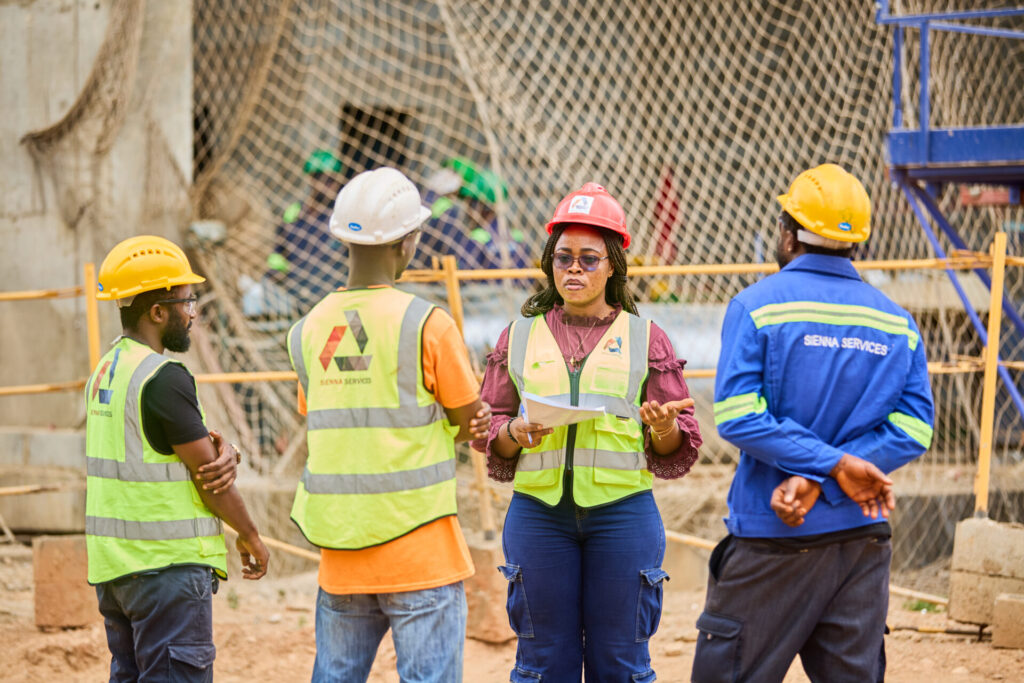
Across the country, the demand for housing, commercial buildings, utilities, and public infrastructure continues to grow. As projects become more complex, the need for disciplined project management practices has become even more important.
Across the country, the demand for housing, commercial buildings, utilities, and public infrastructure continues to grow. As projects become more complex, the need for disciplined project management practices has become even more important.
Managing Complexity in Modern Construction
A construction project today is rarely a simple undertaking. Multiple contractors, suppliers, engineers, and consultants must work together within strict timelines and budgets. Without clear coordination, even small issues can quickly escalate into significant project challenges.
Effective construction project management ensures that every stage of the work is carefully planned and monitored. From the early design phase to site mobilization and final completion, project managers oversee scheduling, cost control, risk management, and communication among all stakeholders.
This structured approach allows construction teams to identify potential challenges early and implement solutions before they impact the project timeline.
Planning Before Breaking Ground
One of the most important aspects of successful construction project management is thorough planning before work begins on site. Detailed planning helps teams address key questions such as:
- How will materials be sourced and delivered?
- What construction methods will be used?
- How will different contractors coordinate their activities?
- What risks could affect the project schedule?
When these factors are addressed early, projects are far more likely to progress smoothly once construction begins.
In Ghana’s construction environment, where logistics, weather conditions, and supply chains can influence project timelines, this level of preparation is especially valuable.
Maintaining Quality and Safety
Quality control and safety management are central responsibilities within construction project management. Infrastructure and building projects must meet strict engineering standards to ensure durability and long term performance.
Regular inspections, proper documentation, and adherence to engineering specifications help ensure that construction work meets the required quality benchmarks.
At the same time, structured project management frameworks help enforce safety procedures on site. Clear supervision and organized workflows reduce the likelihood of accidents and help maintain safe working conditions for construction teams.
Coordinating Multiple Stakeholders
Another critical element of construction project management in Ghana is the ability to coordinate multiple stakeholders effectively. Projects often involve:
- engineers and architects
- government regulators
- contractors and subcontractors
- suppliers and logistics providers
- project owners and investors
Each group plays a role in the success of the project. Effective communication ensures that expectations remain aligned and that technical decisions are implemented efficiently.
When communication breaks down, delays and misunderstandings often follow. Strong project leadership prevents these issues and keeps the project moving forward.
Building Infrastructure That Lasts
Ultimately, strong construction project management is about delivering infrastructure that performs reliably over time.
Buildings, bridges, utilities, and industrial facilities are long term investments. Careful management throughout the construction process ensures that these assets are built to last and operate as intended for many years.
As Ghana continues to expand its infrastructure and urban development, disciplined project management practices will remain a key factor in delivering successful projects across the country.