
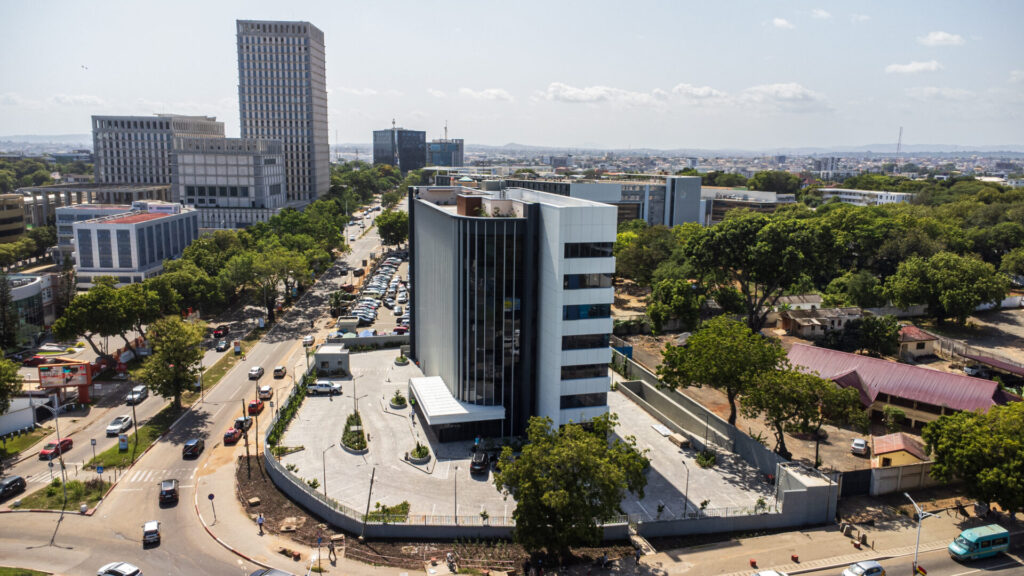
Commercial buildings play an important role in Ghana’s growing business environment. Offices, corporate headquarters, commercial facilities and mixed-use developments provide the spaces organisations need to operate, serve customers and expand their activities. Delivering these buildings successfully requires careful planning, coordinated engineering and effective construction management.
For organisations investing in commercial property, the quality of the completed building is only one measure of success. Project cost, delivery schedule, safety, functionality and long-term maintenance requirements also influence the value of the investment.
Understanding these factors before construction begins helps clients make informed decisions and establish a stronger foundation for project delivery.
Defining the Project Requirements
Every successful commercial building project begins with a clear understanding of its intended purpose. An office headquarters, for example, may require different layouts, service systems and access arrangements from a retail or mixed-use development.
The client and project team should establish the building’s functional requirements, expected occupancy, space allocation, technical needs and future expansion considerations. These requirements guide the design process and help prevent costly changes during construction.
Site conditions also influence the project. Access, drainage, ground conditions, existing utilities and surrounding developments should be assessed before the construction approach is finalised.
Coordinating Design and Engineering
Commercial building construction involves several disciplines working together. Architectural layouts must align with structural requirements, while mechanical, electrical and plumbing systems must fit within the building design and support its intended use.
Poor coordination between these disciplines can lead to design conflicts, rework, delays and additional expenditure. Early collaboration allows the project team to identify potential issues before they affect construction activities.
A coordinated approach also supports procurement planning. Equipment, materials and specialist installations can be scheduled according to the construction programme, reducing the risk of delays caused by late decisions or incomplete information.
Managing Construction Costs and Schedules
Cost control requires more than selecting the lowest-priced contractor. Clients need a clear project scope, realistic estimates, defined specifications and a process for managing changes.
During construction, progress should be monitored against the approved programme and budget. Procurement lead times, labour availability, site conditions and the sequence of specialist activities can all affect delivery.
Regular reporting helps project teams identify emerging risks and agree on corrective actions. Clear communication between the client, consultants, contractors and suppliers also reduces misunderstandings that may affect cost or schedule performance.
Maintaining Quality and Safety
Quality assurance should be built into every stage of commercial building construction. Materials, workmanship and completed installations must be checked against the applicable drawings, specifications and project requirements.
Inspection records and documented testing provide evidence that relevant work has been assessed. When defects or deviations arise, they should be addressed through an appropriate corrective process before they affect subsequent activities.
Safety is equally important. Construction sites may involve lifting operations, work at height, heavy equipment and several contractors working simultaneously. Effective planning, site supervision and compliance with applicable safety requirements help manage these risks.
Designing for Operational Efficiency
A commercial building should support the people and activities it is intended to accommodate. Space planning, circulation, accessibility, lighting, ventilation and building services can influence how effectively the facility performs.
Energy efficiency and maintainability should also be considered during design. Appropriate building systems, practical equipment access and suitable material selection can support efficient operation and help manage future maintenance requirements.
Where sustainability is a project priority, the design team should establish clear performance objectives early. These objectives can then inform material selection, building services and relevant construction decisions.
Why an Integrated EPC Approach Can Help
Engineering, procurement and construction activities are closely connected. When these functions are coordinated effectively, the project team can manage design interfaces, procurement decisions and site execution within a more unified delivery process.
An integrated EPC approach can help clarify responsibilities and improve coordination across project stages. However, its effectiveness depends on a clearly defined scope, competent project management, appropriate technical controls and active communication with the client.
When evaluating an EPC contractor in Ghana, clients should consider relevant project experience, engineering capability, quality management, safety practices and the contractor’s approach to cost and schedule control.
Choosing a Commercial Construction Company in Ghana
Selecting a commercial construction company requires an assessment of both technical capability and delivery approach. Prospective clients should understand how the contractor plans to manage the project, coordinate specialist works, monitor progress and maintain quality.
Relevant experience, financial and operational capacity, workforce capability and compliance with applicable requirements are also important considerations.
Sienna Services delivers engineering, procurement and construction solutions for commercial facilities, infrastructure and other complex developments. Its integrated approach brings together multidisciplinary expertise to support projects from planning and design through construction, commissioning and handover.
For organisations planning commercial building construction in Ghana, early project definition and the selection of a capable delivery partner can help establish the conditions for successful execution.
Planning an office building or commercial development in Ghana? Contact Sienna Services to discuss your project requirements.