
Industrial facilities play an important role in Ghana’s economic development. From energy and manufacturing to utilities and processing operations, these facilities support essential services, production, employment and business growth. Delivering them successfully requires more than completing a building. It demands coordinated engineering, effective construction management, quality control and careful attention to how the facility will operate over time.
As industrial development continues, organisations planning new facilities or upgrading existing assets need to consider the full project lifecycle. The decisions made during planning and construction can influence operational efficiency, maintenance requirements, safety and long-term costs.
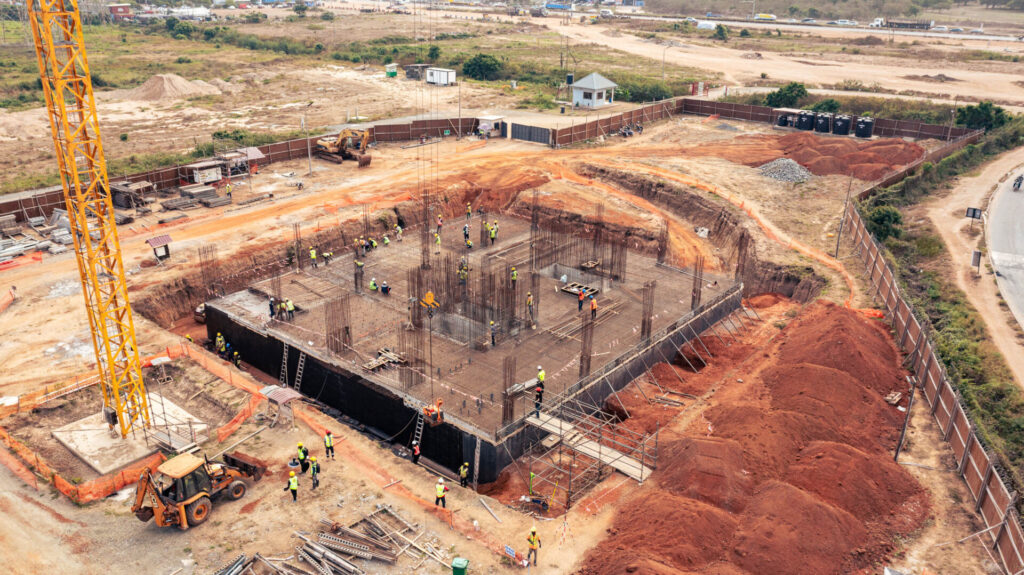
Understanding the Requirements of Industrial Construction
Industrial construction projects often involve several interconnected elements. Structural works must accommodate equipment and operational loads. Civil works must respond to site conditions and drainage requirements. Electrical and mechanical systems must support the facility’s intended operations, while utilities and access arrangements must suit the needs of the people and equipment using the site.
These elements cannot be planned effectively in isolation. Changes to one part of a project may affect other disciplines, procurement requirements, installation schedules or commissioning activities.
For this reason, early coordination between the client, designers, engineers, contractors and specialist suppliers is essential. Clear technical requirements and defined responsibilities help reduce avoidable changes and improve the flow of work from design through construction.
Why Engineering Coordination Matters
A successful industrial construction project depends on how well its different components work together. Structural layouts, equipment locations, service routes and maintenance access should be considered together before construction progresses too far.
Poor coordination can result in design conflicts, rework, delays and additional costs. A coordinated engineering approach helps identify potential problems earlier, when changes are generally easier to manage.
An experienced industrial construction company in Ghana should therefore demonstrate an understanding of multidisciplinary project requirements, construction sequencing and the practical needs of the finished facility.
Quality Assurance Throughout Construction
Quality should be managed throughout the project rather than assessed only when construction is complete. Materials, workmanship and completed installations need to be checked against the applicable specifications, approved drawings and project requirements.
Inspection records, material approvals, testing procedures and documented corrective actions help provide evidence that work has been completed as required. The specific checks will depend on the type of facility and the systems being installed.
A structured quality assurance process also supports traceability. When project records are maintained properly, owners and operators have useful information for future maintenance, modifications and technical reviews.
Safety and Construction Planning
Industrial construction sites may involve heavy equipment, lifting operations, temporary works, multiple contractors and changing work conditions. Effective planning helps ensure that these activities are coordinated and that site-specific hazards are assessed before work begins.
Construction schedules should account for procurement lead times, access restrictions, inspections, interfaces between trades and any operational constraints. Safety requirements must remain part of daily planning rather than being treated as separate administrative tasks.
Clear communication between project teams supports better coordination and helps address issues before they affect the wider programme.
Planning for Long-Term Facility Performance
The completion of construction is not the end of a facility’s lifecycle. Industrial owners also need to consider maintainability, access to equipment, the availability of technical documentation and the future needs of the operation.
Design and construction decisions can affect how easily components are inspected, repaired or replaced. Considering these issues early can help reduce disruption and support more reliable facility management after handover.
Project documentation, testing records and relevant handover information should therefore be treated as important deliverables, not afterthoughts.
Choosing an Industrial Construction Partner in Ghana
When selecting an industrial construction partner, organisations should assess more than the proposed price. Relevant experience, engineering capability, project planning, safety management, quality assurance and the ability to coordinate different work packages all matter.
The contractor’s proposed approach should reflect the actual requirements of the project, including its technical complexity, programme, operating environment and long-term objectives.
Sienna Services provides engineering and construction solutions across infrastructure and industrial sectors. For organisations planning a facility or infrastructure project in Ghana, a clear understanding of the project scope, technical requirements and delivery priorities is an important starting point.
The right construction approach brings engineering, site execution, quality and project coordination together to support a facility that meets its intended purpose.
Planning an industrial or infrastructure project in Ghana? Contact Sienna Services to discuss your project requirements.